Fast, Honest & Reliable Plumbing Service – From a Family You Can Trust
Follow Us :




.png)

Need a fast fix ? Call PDX Plumber today and enjoy $50 off same-day service when you schedule your repair now.
Give us a Call for More Information
Call (503) 351-6906
That slow drip under your kitchen sink. The toilet that runs for a few extra seconds after you flush. The faucet that barely seeps but never quite stops. It's easy to put these things on the mental "I'll deal with it later" list. The problem is that plumbing doesn't really do "later."
I've been fixing pipes in Portland homes for over 25 years, and I can tell you the most expensive repairs I've ever done almost always started as a problem the homeowner noticed months before they called me. A small leak doesn't sit still. Water finds a way, and the longer it runs, the more it takes with it.
This post is for anyone looking at something that doesn't seem urgent yet. If you're searching for a plumber in Portland, OR because something is already at crisis level, skip to the bottom. But if you're in that gray zone, wondering whether to bother, keep reading. The math is going to surprise you.
A faucet dripping once per second wastes roughly 3,000 gallons of water per year, according to the U.S. EPA's WaterSense program. That's not a rounding error on your water bill. That's real money leaving your house, month after month, through a problem that often costs less than $150 to fix.
But the water bill is actually the smaller concern. What happens underneath the drip is the bigger issue. Water that collects under a sink, behind a wall, or around a pipe joint creates the exact conditions that mold needs to grow. The CDC has documented that indoor mold exposure causes respiratory problems, aggravates asthma, and can affect anyone in the home, especially kids and older adults. A $150 faucet fix versus a mold remediation job that runs $3,000 to $10,000 depending on how far it spreads is not a difficult comparison.
The plumbing problem itself is rarely the worst part. The damage it causes while you're waiting is.
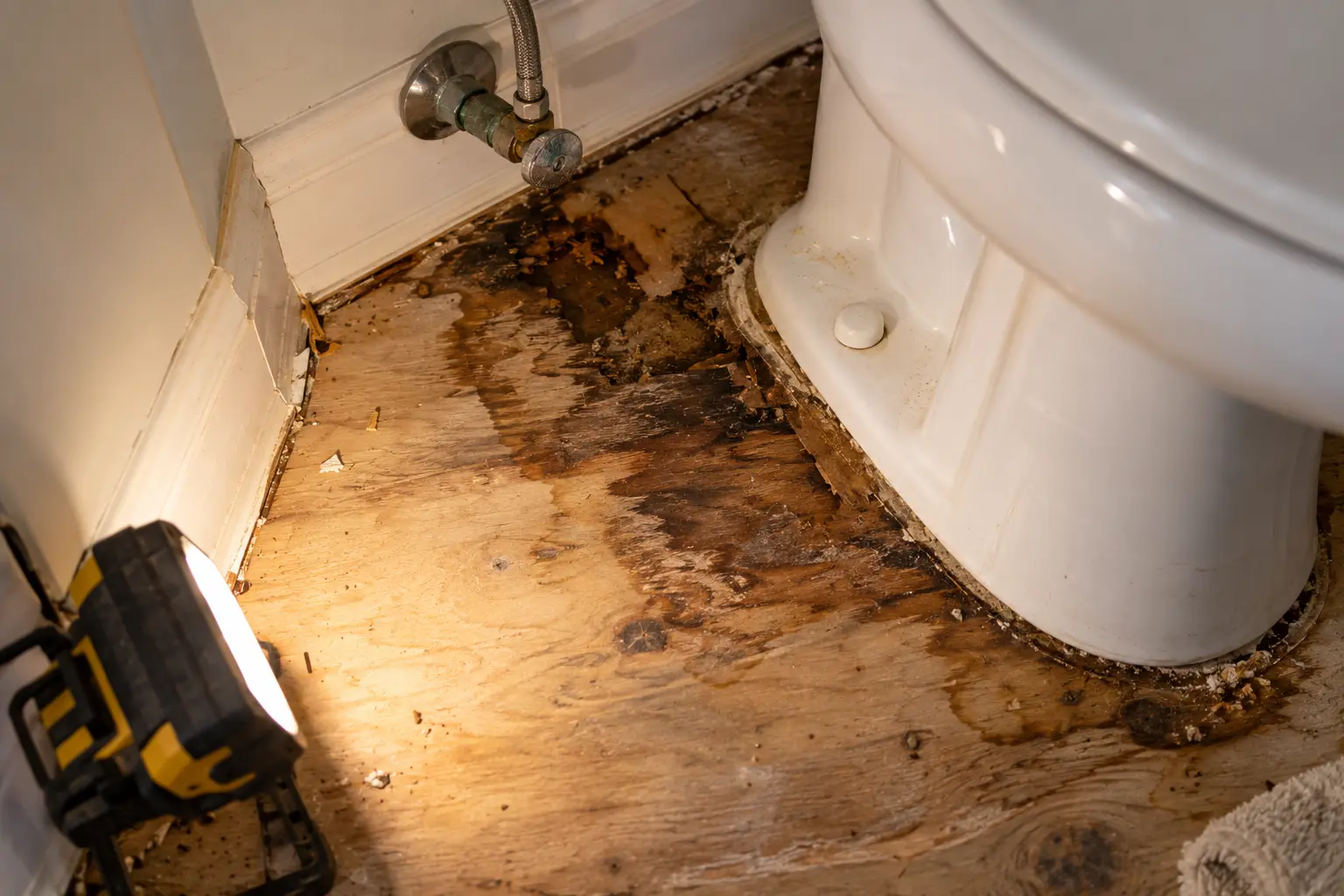
Water is patient. It will find the lowest point, soak into subfloor wood, compromise drywall, and work its way toward your home's framing over time. I've pulled up bathroom floors where the rot went six inches deep because a wax ring (the seal that sits between your toilet and the floor drain) had been leaking slowly for a year. The toilet repair was a two-hour job. The subfloor replacement added another full day and several hundred dollars in materials.
Leak repair is one of the most common calls we get, and the pattern is almost always the same: a small sign ignored for too long becomes a structural headache. The pipes themselves are one part of it. The surfaces and supports around them are what drive the cost up when the repair gets delayed.
If you've noticed water stains on your ceiling, soft spots on your bathroom floor, or discoloration around a fixture, those are not cosmetic issues. They're the visible edge of a problem that's already been developing for a while.
One of the first places a hidden plumbing problem shows up is your water bill. If your usage habits haven't changed but your bill has jumped, something in your system is running when it shouldn't be. A running toilet can waste anywhere from 200 to 7,000 gallons of water per day depending on how far the flapper (the rubber seal inside the tank that controls water flow) has deteriorated. That's a wide range, and the high end of it is genuinely alarming.
Toilet repair is fast and inexpensive in most cases. The same applies to many of the other culprits behind a spiking water bill, including worn valve seats, faulty supply lines, and pressure issues. If you want to understand what's driving abnormal water pressure or flow in your home, this guide on low water pressure is a good place to start.
The point is simple: your water bill is data. When it changes without explanation, treat it like a warning light.
Here's what most homeowners don't realize about plumbing emergencies: they almost always have a prequel. A pipe that bursts in January didn't just decide to fail on a cold night. It had a weak point, maybe a corroded joint or a slow-growing crack, that went unaddressed until the pressure or temperature finally pushed it past the breaking point.
Pipe repair at that pre-failure stage is a predictable, schedulable job. Pipe repair after a burst means shutting off the water to the house, drying out whatever got soaked, and dealing with whatever the water reached before you found it. It also usually means you're calling someone on a weekend or at night, which affects availability and urgency.
If you've got an older home in Portland, Beaverton, or Gresham, there's a good chance you still have some original copper or galvanized steel pipe in the walls. That's not automatically a crisis, but it's worth knowing what you have. If you're in Gresham or Beaverton and your home was built before the mid-1980s, a quick inspection can tell you whether any sections are approaching the end of their reliable life.
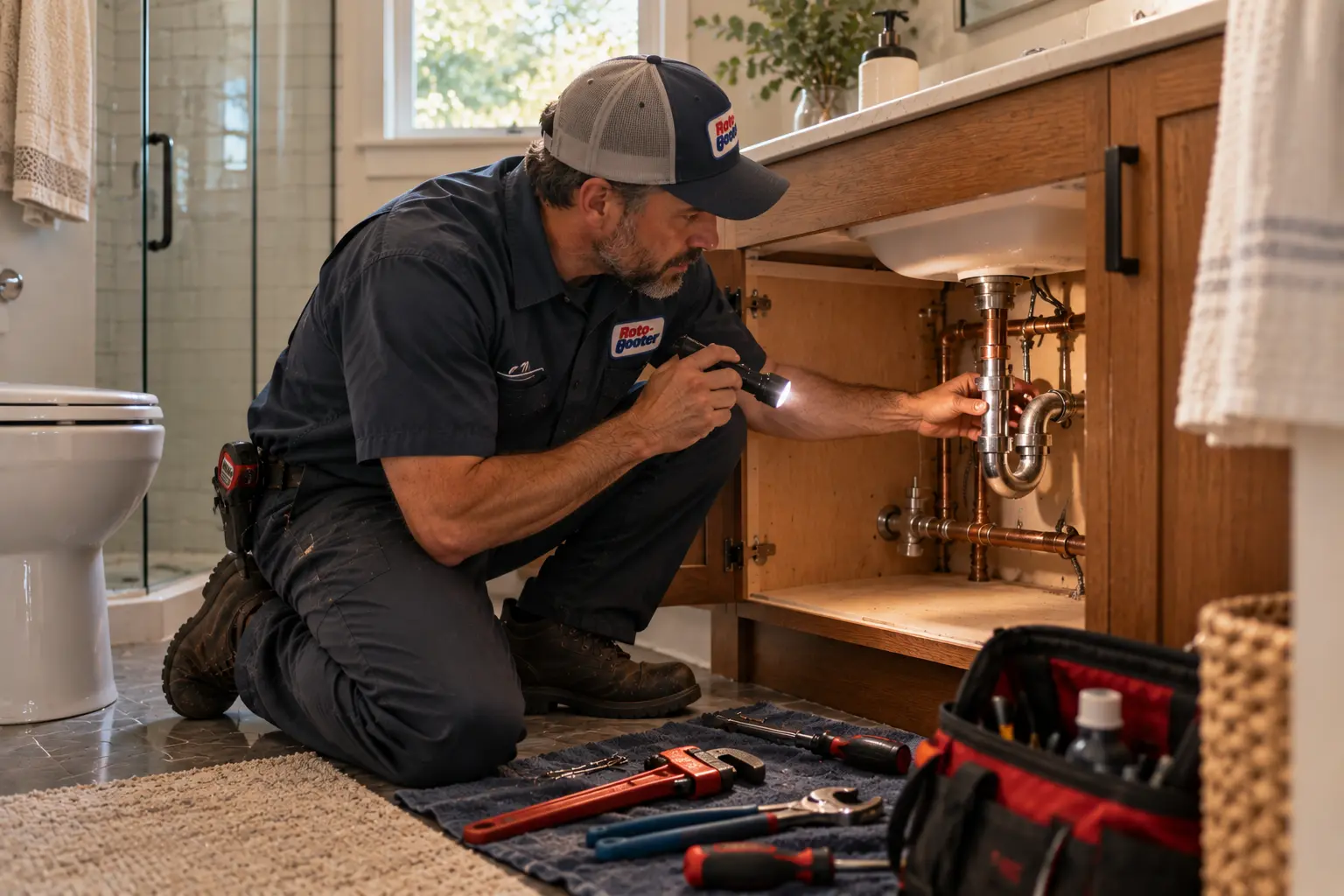
I get it. Calling a plumber feels like it's going to be expensive. That hesitation is exactly what keeps small problems from getting fixed early. So let me be straight with you about how pricing actually works.
Most minor repairs, a leaky faucet, a running toilet, a slow drain, fall in a range that's far less than the secondary damage they cause if left alone. We give you upfront pricing before any work starts, so you know exactly what you're agreeing to. There are no surprise fees added after the job. If it's a bigger project, financing is available so you're not stuck choosing between your pipes and your budget.
How much does a plumber cost in Portland? is a question we hear constantly, and we've written a full breakdown worth reading before you call anyone. The short version: the cost of fixing the problem is almost always less than the cost of waiting.
We serve homeowners across Portland and the surrounding metro, including Lake Oswego, Tigard, Oregon City, and beyond. Same-day appointments are available. New customers save 5%, and we offer discounts for veterans and seniors as well.
If you've got something on that "deal with it later" list, today is a good day to deal with it. Call us at 503-351-6906, book online at pdxplumber.com, or check out our reviews on Google to see what Portland homeowners say about working with us. We'll show up on time, explain what we find, and give you a straight answer before we touch anything.

.png)