Fast, Honest & Reliable Plumbing Service – From a Family You Can Trust
Follow Us :





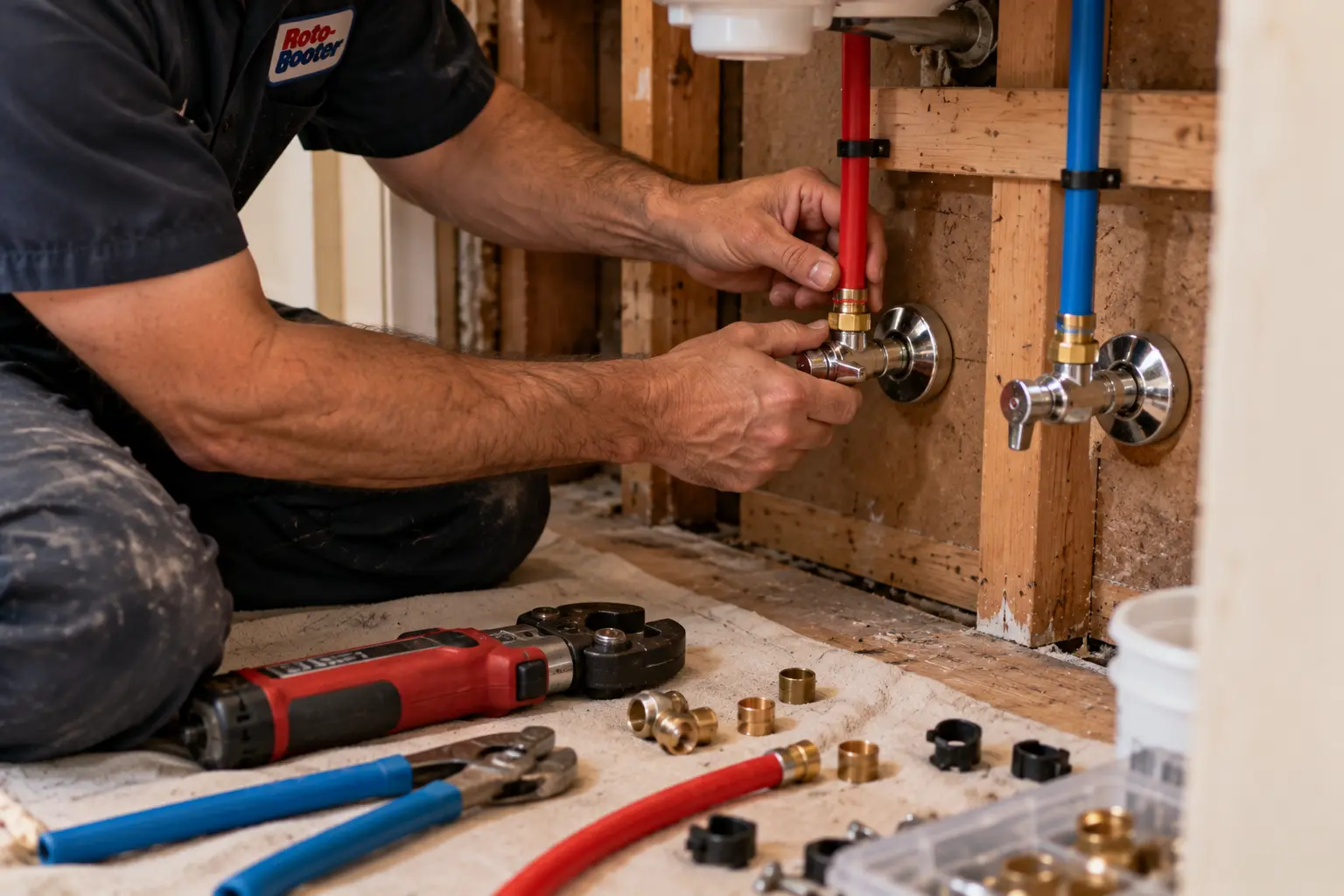
Bathroom remodels are exciting right up until someone moves a wall and discovers the drain is in the wrong place. Or the existing pipe is original galvanized steel from 1962 and the inspector is not impressed. The plumbing side of a bathroom remodel is where a lot of projects stall, go over budget, or get handed off to the wrong person.
If you're planning a bathroom remodel in Portland, OR, knowing what the plumbing actually involves before demo day saves you time, money, and a lot of headaches. Here's what to expect and what to ask for before anyone picks up a pry bar.
Before you pick out tile or a new vanity, someone needs to look at what's behind the walls. Portland homes vary wildly in age and condition, from Craftsman bungalows in Southeast with decades-old cast iron drains to newer construction in Beaverton with PEX supply lines (PEX is a flexible plastic tubing that replaced copper in most homes built after the 1990s). What you find determines almost everything else about the job.
A licensed plumber should assess your existing supply lines, drain lines, and venting before the remodel plan is finalized. Trying to reverse-engineer plumbing around a design that was drawn up without knowing your pipe situation is one of the most common ways bathroom remodels get expensive fast.
If you're adding a shower where there wasn't one before, or moving a toilet even a foot from its current location, that changes your rough-in requirements. Rough-in plumbing means all the supply and drain work that happens inside the walls and floor before any fixtures are installed. Getting that right the first time is the whole game.
Bathroom remodel plumbing covers more phases than most homeowners expect. Here's what a proper job includes:
Supply lines. These are the pipes that bring hot and cold water to your sink, shower, and toilet. If the existing lines are old galvanized steel (rough, rust-prone, and usually undersized by modern standards), replacement is the right call. Copper and PEX are both solid options depending on your setup and budget.
Drain and waste lines. Every fixture needs a drain, and every drain needs a trap. A P-trap is the curved section of pipe under a sink or behind a shower, and it holds a small amount of water that blocks sewer gases from coming back into your home. These need to be properly sloped, sized, and vented or they back up.
Venting. This is the part people forget about. Every drain in your bathroom needs to be connected to a vent stack, which is the pipe that runs up through your roof and lets air into the drain system so water can flow freely. Improper venting causes gurgling, slow drains, and odor. If you're adding a fixture, venting has to be part of the plan.
Fixture rough-in. Toilet, shower, tub, and sink all have standard rough-in measurements for where the supply and drain connections land inside the wall or floor. If you're changing fixture locations or upgrading to a freestanding tub or a wall-mounted faucet, those rough-in locations change too.
Shutoff valves. Every fixture should have its own shutoff valve. If your bathroom currently doesn't, now is the time to add them. A simple toilet repair is a lot less disruptive when you don't have to shut off water to the entire house to do it.
If your water pressure seems off anywhere in the house, it's worth getting that looked at before the remodel is finished. Low water pressure can be a sign of a bigger supply line issue that a new showerhead won't fix.
Oregon requires permits for most bathroom remodel plumbing work, especially anything that involves new or relocated drain and supply lines. Nolan is CCB licensed and pulls the proper permits as part of the job. This protects you as a homeowner. Work done without permits can cause problems when you sell your home or if something fails down the line.
The permit process in Portland runs through the Bureau of Development Services. Oregon's Building Codes Division, which regulates plumbing licensure statewide, sets the standards your plumber has to meet. Licensed means accountable. If a contractor tells you permits aren't necessary for your remodel, that's a red flag worth paying attention to.
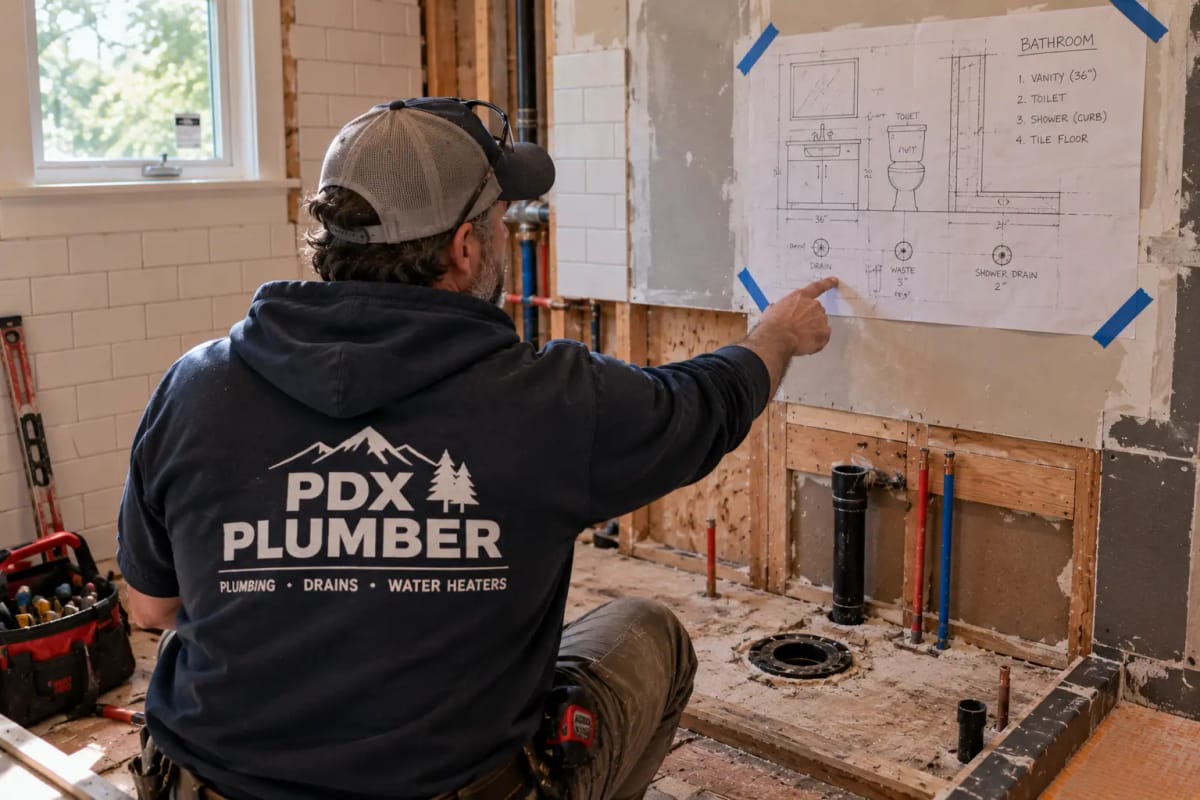
Plumbing is typically 10 to 20 percent of a bathroom remodel budget, though that range shifts based on what you're starting with and what you're changing. A simple fixture swap runs very differently from a full gut with relocated drain lines and new supply runs.
We give you upfront pricing before any work starts, no surprise fees added at the end of the job. Financing is available if the project is bigger than expected, which happens more often than not once walls come open. You can read more about how plumber costs break down in the Portland area on our plumber cost guide.
New customers get 5% off, and the same discount applies for veterans and seniors. If you're coordinating a larger project across Tigard, Lake Oswego, or anywhere in the Portland metro, same-day appointments are available depending on scheduling.
The best time to bring in a licensed plumber is before the designer finalizes the layout. The second best time is right now, before you find out mid-demo that the drain stack isn't where anyone thought it was.
The EPA's WaterSense program has solid guidance on fixture efficiency standards worth factoring into your remodel decisions, especially if you're upgrading toilets or showerheads. And the American Society of Plumbing Engineers publishes installation standards that licensed plumbers like Nolan work from on every job.
When you're ready to talk through your bathroom remodel plumbing in Portland, OR, check out our reviews on Google to see what your neighbors have to say, then give us a call at (503) 451-6723 or book online at pdxplumber.com. Same-day appointments available. Upfront pricing every time.
If you're ready to take the next step, PDX Plumber is here to help. Contact us today to get started.