Fast, Honest & Reliable Plumbing Service – From a Family You Can Trust
Follow Us :


You pull the plug after a shower and the water just sits there. Two minutes later you're still standing in a shallow pond, wondering when your tub decided to become a wading pool. A slow drain is rarely an emergency, but it is almost always trying to tell you something.
Most slow drains come down to a short list of causes. A few you can handle yourself this afternoon. Others mean something bigger is going on further down the line.
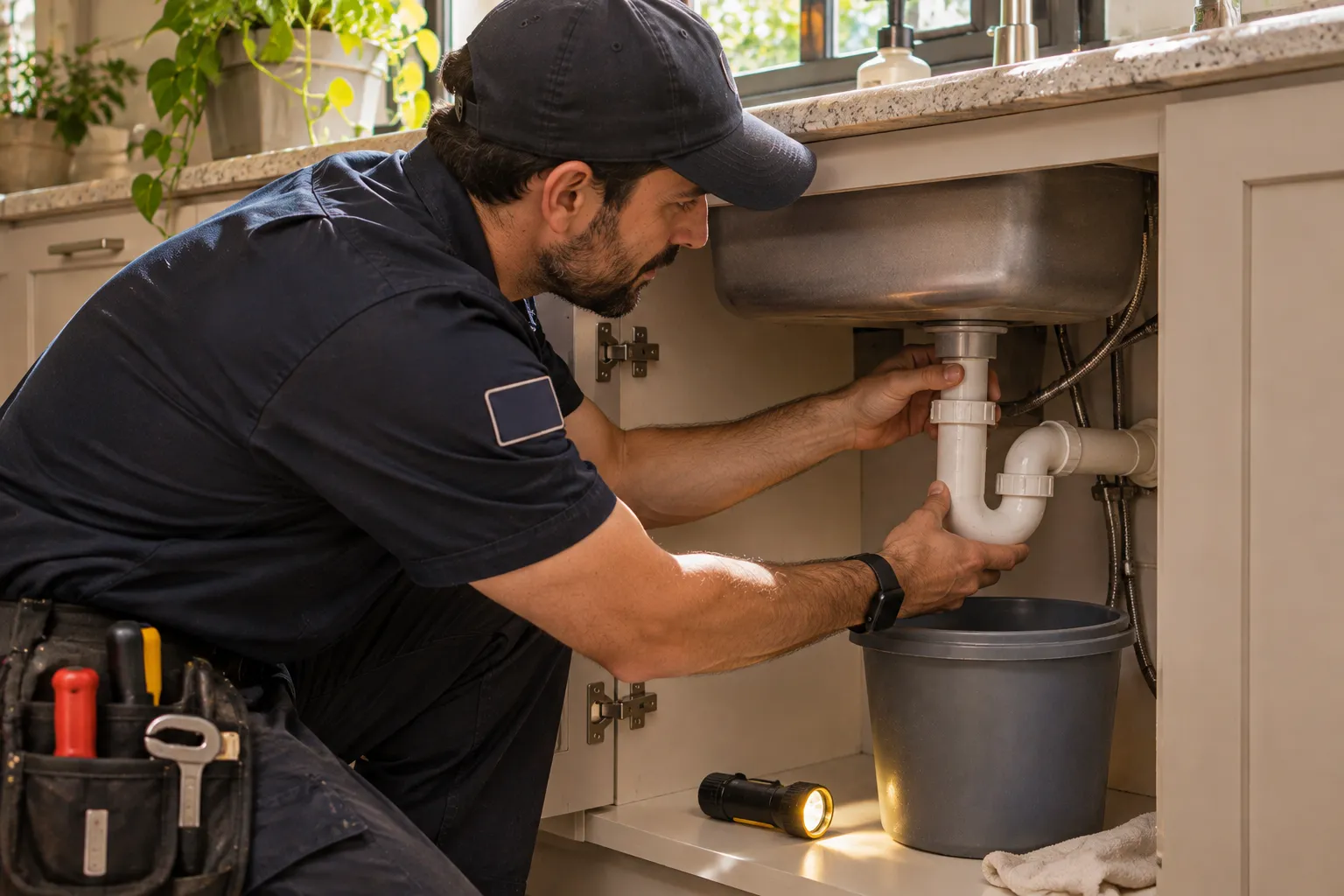
One slow drain usually means the clog is close to that fixture. It's sitting in the drain opening or in the P-trap, the U-shaped bend of pipe under a sink that holds a little water to keep sewer gas out of your house.
Several slow drains at once, especially on the lowest floor, point further down the system. If a toilet gurgles while the washing machine drains, or the shower backs up when someone flushes, the problem is often in the main drain line or the sewer line that carries everything out to the street.
Hair loves soap scum. Together they form a mat that catches everything else coming down the pipe, and it builds up so gradually that most people don't notice until the water is at their ankles.
Cooking grease goes down warm and liquid, then cools into a sticky coating that catches coffee grounds and food scraps. The City of Portland's Bureau of Environmental Services asks residents to never pour fats, oils, or grease down a sink or toilet, because grease clogs pipes and can send sewage backing up into homes. Wipe greasy pans with a paper towel and toss it in the trash instead.
"Flushable" wipes are a repeat offender. They don't break apart the way toilet paper does, and Portland Environmental Services calls wipes a leading cause of sewage overflows and costly clogs. The safe list for your toilet is short: pee, poop, and toilet paper.
Drains need air to flow, the same way a juice box glugs if you don't let air in. Plumbing vents run up through your roof to supply that air. If debris blocks a vent, drains can slow down and gurgle even when the pipes are clear.
This one hits close to home around Portland, where plenty of older neighborhoods have big, established trees. Roots go looking for water and can work their way into small cracks and joints in older sewer pipes, then grow and catch everything that flows past. The City's guide to broken sewer and drain lines notes that breaks commonly happen at pipe connections, including where cast iron meets clay or cement pipe near the house. If you have several slow drains plus gurgling, roots or a damaged line are worth ruling out.
Before you call anyone, these are fair game:
What to skip: chemical drain cleaners. They're harsh, they can splash, and they often burn a small channel through a clog instead of clearing it. The EPA's septic system care guidance also recommends avoiding chemical drain openers. And if the bottle doesn't work, whoever opens that pipe next is now working with a trap full of caustic liquid.
DIY fixes have a limit. It's time to call a licensed plumber when:
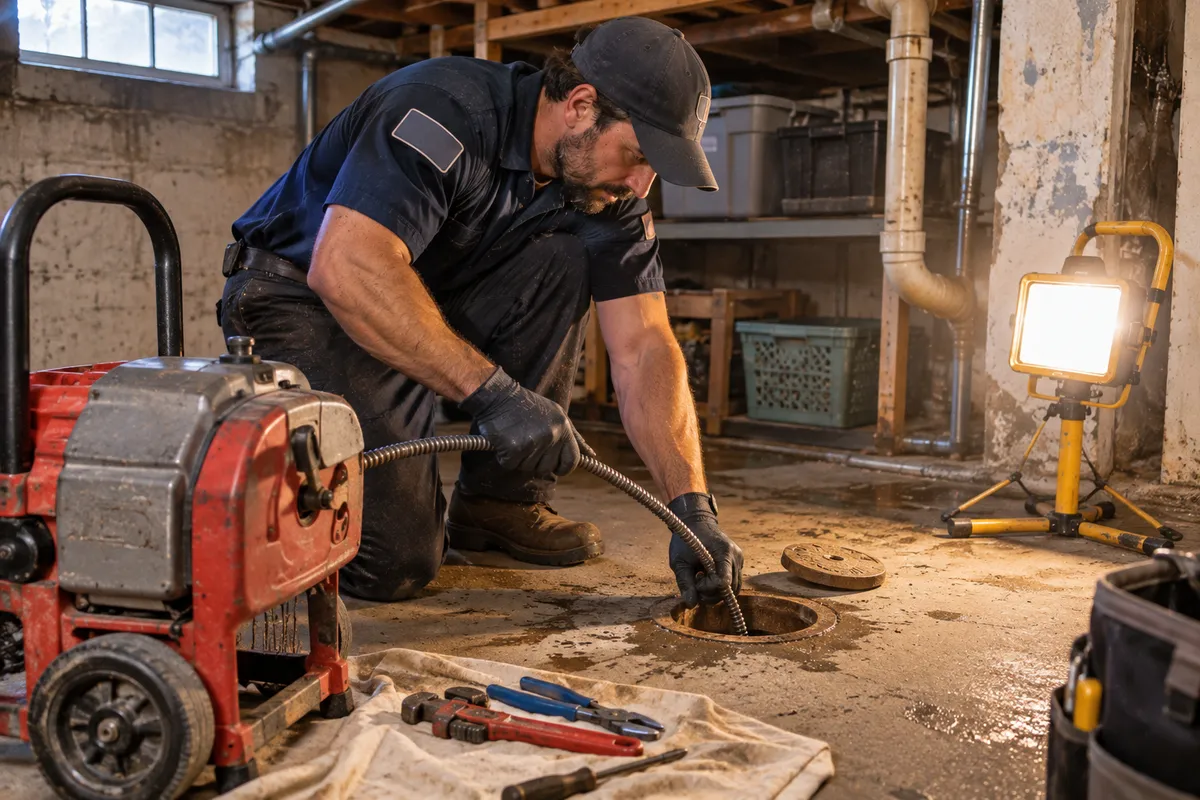
When we come out for a slow drain, we start by asking which drains are affected and when it started, because that tells us where to look. From there, we have two main tools. A motorized drain snake (also called an auger) cuts through and pulls out clogs. Hydro jetting sends high-pressure water through the pipe to scour grease and buildup off the walls.
Not every pipe is a good fit for hydro jetting. Older or fragile lines may do better with a snake, so we check the condition of your pipes before recommending an approach. Either way, you get upfront pricing before any work starts, with no surprise fees at the end. See our drain cleaning service for more on how we handle clogs.
Dealing with weak water flow too? Our guide to why your water pressure might be low walks through those causes. And if you're tempted to wait this one out, here's what ignoring a small plumbing problem tends to cost.
If your drain is moving slower than rush hour on I-5, we can help. PDX Plumber is a licensed, local team serving homeowners in Portland, Lake Oswego, West Linn, Tualatin, Beaverton, Tigard, Milwaukie, Gresham, Oregon City, and Hillsboro. Nolan brings 25+ years of plumbing experience to every job, and same-day appointments are available.
New customers save 5%, and same-day repairs come with $50 off. Book drain cleaning with PDX Plumber or call (503) 726-3571 for same-day service.